
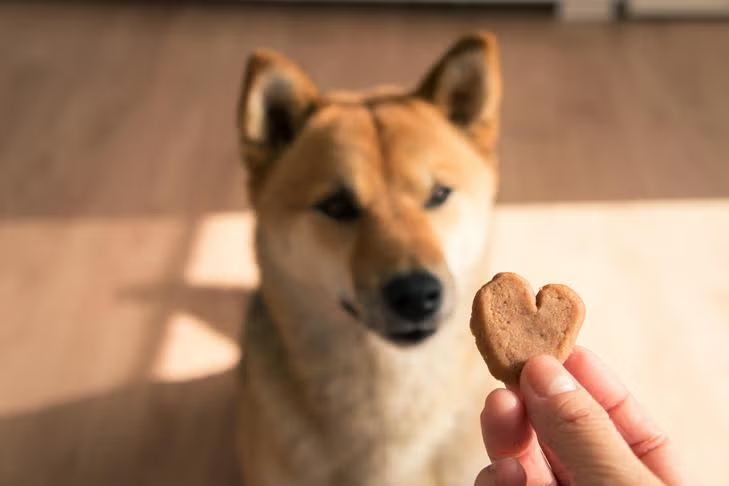
Buying rewards for a dog can feel more complicated than expected. Shops carry soft bites, crunchy biscuits, jerky, chews and products made for specific ages or activities. Attractive packaging can make almost every option appear suitable, but dogs differ considerably in size, eating habits, activity levels and dietary needs.
Before purchasing Dog Treats, consider how you intend to use them. A small reward for training serves a different purpose from an occasional chew given during quiet time. Knowing the purpose makes it easier to compare ingredients, texture, portion size and overall value without becoming distracted by every claim on the packet.
The most useful choice is usually one that fits comfortably into your dog’s existing routine. It should be easy for them to eat, appropriate for their size and practical for you to store and serve. Treats can support training, enrichment and bonding, but they should remain a considered part of the dog’s daily food intake.
Begin with the Purpose
Start by deciding when the reward will be offered. Training usually requires small pieces that can be eaten quickly. If a dog spends too long chewing after every successful response, the lesson loses its rhythm. Soft or easily divided pieces are often convenient for repeated rewards.
A larger treat may be more suitable after a walk or as an occasional addition to the day. Longer lasting chews have another purpose again. They can provide a supervised activity, but they need to be selected according to the dog’s chewing style and size.
There is no need for one product to perform every role. Many owners keep a simple training option and a separate occasional chew. This makes portion management easier and allows the reward to match the situation.
Consider Your Dog’s Age and Size
A small dog does not need the same portion as a large, active dog. Even when a product is suitable for different breeds, the serving size may need to be adjusted. A piece that looks modest beside a large dog’s meal could represent a substantial amount for a smaller animal.
Age matters as well. Puppies are still developing their chewing habits and may try to swallow food too quickly. Older dogs may have dental sensitivity or reduced chewing strength. Texture, shape and serving size should reflect the dog in front of you rather than a general description on the packaging.
Activity level also affects how treats fit into the day. A highly active working dog and a quiet companion dog may have different energy needs. If you are unsure how many extras are suitable, discuss the overall feeding plan with your vet.
Read the Ingredient List
The front of a packet is designed to attract attention, while the ingredient list provides more practical information. Look at the main protein source, additional ingredients and any feeding or storage instructions. A clear list can help you compare products more confidently.
A short ingredient list may be easier to understand, but it does not automatically make a product suitable for every dog. A dog with a diagnosed sensitivity still needs to avoid the relevant ingredient, even if the treat contains only one type of protein.
Introduce unfamiliar ingredients gradually. Offering several new products during the same week makes it difficult to identify the cause if the dog develops digestive discomfort. Keep the original packaging until you know the product agrees with them.
Choose a Practical Texture
Texture affects both safety and convenience. A training reward should generally be easy to divide and quick to consume. Sticky pieces may be appealing to a dog but inconvenient when you are holding a lead, keys and a treat pouch at the same time.
Crunchy treats can work well at home, although crumbs may make them less practical during indoor training. Firm chews require closer supervision, particularly when they become small enough to swallow.
Observe how your dog eats. Some dogs chew carefully, while others gulp almost everything offered. A product that works perfectly for one dog may be unsuitable for another dog of the same breed and size because their eating habits are different.
Think About Portion Size
Treats are part of the dog’s total food intake. Small amounts given by several family members can accumulate without anyone noticing. One person may offer a biscuit after breakfast, another may reward the dog during a walk, and someone else may share an extra snack in the evening.
A simple solution is to place the day’s treat allowance in one container. Everyone in the household uses that supply, so it is easy to see how much has already been given. Once the container is empty, family members can use praise, play or another suitable reward.
For training, divide rewards into small pieces when appropriate. Dogs generally respond to the timing and value of the reward rather than its physical size. Several tiny pieces can support a productive session without turning it into an extra meal.
Match the Reward to the Situation
Different environments create different levels of difficulty. A piece of regular food may be rewarding enough in a quiet kitchen. Outdoors, where smells, people and other dogs compete for attention, a more appealing option may be needed.
Reserve higher value rewards for challenging situations. This may include practising recall, remaining calm near distractions or cooperating during grooming. Using the same valuable reward constantly can reduce its impact and add unnecessary calories.
Food is not the only reward available. Access to a favourite sniffing spot, a short game or permission to greet a familiar person may be equally valuable. Notice what your dog wants at that moment and use it thoughtfully.
Check Storage and Freshness
Treats should be stored according to the manufacturer’s instructions. Close resealable packaging properly and keep products away from excessive heat, moisture and direct sunlight. If a packet has been open for some time, inspect the contents before serving them.
Buying a very large quantity may appear economical, but it offers little value if the product loses freshness before it can be used. Smaller packets can be sensible when trying a new flavour, protein or texture.
Discard products that develop an unusual smell, appearance or texture. Wash your hands after handling animal based products and keep them away from areas used to prepare human food.
Compare Value Properly
The cheapest packet is not necessarily the best value, and the most expensive option is not automatically superior. Consider how many useful servings the packet provides, whether the pieces can be divided and how well the product suits its intended purpose.
A large treat that must be cut into several portions may last longer than expected. Conversely, a packet containing unsuitable pieces may be wasted if your dog cannot manage the texture or refuses to eat them.
Try a modest quantity before purchasing in bulk. Your dog’s response will tell you more than packaging or advertising. Once you find a suitable option, you can decide whether a larger pack makes financial sense.
Watch Your Dog’s Response
A dog may enjoy a product but still experience digestive discomfort afterwards. Introduce new treats gradually and monitor appetite, stool quality and general behaviour. Stop offering the product if you notice a repeated negative response.
Changes in chewing also deserve attention. Dropping food, chewing on one side, excessive drooling or refusing a familiar reward can indicate oral discomfort. Arrange veterinary advice rather than simply switching to something softer without investigating the cause.
Shopping becomes easier when you focus on your dog’s needs, the intended purpose and the information on the packet. A suitable reward does not need extravagant claims. It needs to be practical, appropriately portioned and enjoyable for the dog receiving it.


