
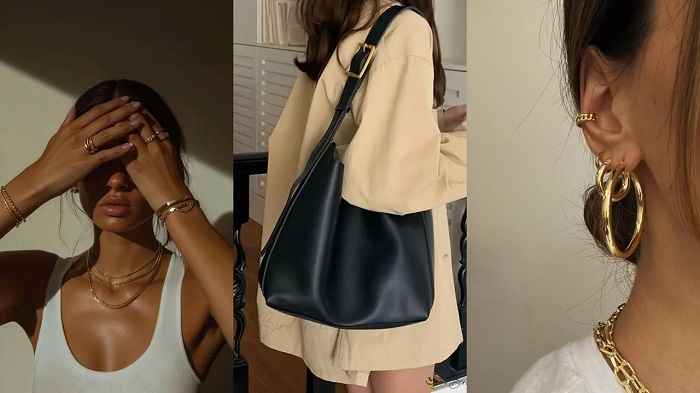
A thoughtfully chosen accessory can elevate an entire wardrobe, turning basic garments into polished, personal statements. Yet belts, handbags, sunglasses, and jewelry face far more wear and tear than the clothes they accompany. They encounter direct skin oils, ambient humidity, cosmetic residue, and constant friction against hard surfaces. Over time, even the most luxurious items lose their luster if neglected.
Preserving the showroom finish of your accessories does not require an exorbitant budget or professional conservation services. It simply demands an understanding of material vulnerabilities and a routine centered on deliberate, preventive care. By adopting a few strategic habits, you can extend the lifespan of your collection by years and ensure every piece continues to look as striking as the day you acquired it.
The Cardinal Rules of Jewelry Preservation
Jewelry is particularly susceptible to chemical dulling and surface abrasion. Whether you are caring for heirloom fine jewelry or high-design fashion pieces, the primary goal is minimizing exposure to corrosive agents.
Adopt the “Last On, First Off” Habit
Cosmetics, fragrances, hairsprays, and lotions contain alcohol, acids, and synthetic compounds that degrade metal platings and dull gemstones. Make it an unbroken rule that jewelry is the absolute last item you put on when getting dressed and the first item you remove when returning home. Allowing perfumes and body creams to fully dry for at least five minutes before clasping a necklace or slipping on rings prevents chemical films from building up on settings.
Master Gentle, Material-Specific Cleaning
Different metals and stones require distinct handling. While solid gold and platinum can withstand regular home cleanings, porous gems and electroplated metals require caution.
-
Precious metals and diamonds: Soak briefly in a mixture of lukewarm water and a few drops of mild, phosphate-free dish soap. Gently dislodge grime from crevices using an extra-soft baby toothbrush, rinse thoroughly under running water with the drain covered, and pat dry with a lint-free cloth.
-
Sterling silver: Silver oxidizes naturally when exposed to air. Rather than relying on liquid chemical dips, which strip away intentional antiquing and accelerate future tarnish, use a dedicated microfiber silver polishing cloth with gentle, linear strokes.
-
Porous stones and pearls: Organic gems like pearls, opals, and turquoise should never be submerged in water or cleaned with ultrasonic machines. Wipe them after every wear with a damp, clean cotton cloth to remove perspiration, and let them dry flat.
Store Pieces Individually to Prevent Abrasion
Tangled chains lead to kinks, and harder stones like diamonds will easily scratch gold surfaces and softer gems. Store every necklace hanging or laid flat in individual velvet-lined compartments. For silver, keep individual pieces inside small airtight polyethylene zip pouches with anti-tarnish strips to starve the metal of airborne sulfur compounds.
Extending the Life of Leather Handbags, Wallets, and Belts
Quality leather is durable, but it behaves like skin: without proper hydration and care, it dries out, stiffens, and develops irreversible cracks.
Regular conditioning is essential for supple leather. Every four to six months, apply a dime-sized amount of high-grade, wax-free leather cream using a soft cloth, working in light circular motions. Buffing the surface after it absorbs the conditioner restores a natural sheen and creates a light protective barrier against moisture. For suede and nubuck, skip liquid conditioners entirely; instead, use a crepe brush regularly to lift the nap and remove embedded surface dust.
Structure is just as important as surface texture. When storing handbags, never hang them by their handles from door hooks or coat racks, as the localized weight stretches the straps and warps the silhouette over time. Instead:
-
Stuff the interior: Fill empty bags with acid-free tissue paper, bubble wrap, or custom bag pillows to maintain their shape. Avoid using printed newsprint, which transfers ink onto interior linings.
-
Protect the exterior: Store bags upright on a closet shelf inside breathable cotton dust bags. Never use plastic storage tubs or vacuum bags, which trap humidity and invite mold growth or dry rot.
-
Rotate your belts: Rather than leaving belts threaded through trouser loops or tightly coiled, hang them straight from a dedicated accessory rack to prevent creasing and edge peeling.
Protecting Sunglasses and Everyday Eyewear
Eyewear is subjected to daily drops, pocket friction, and lens smudging. The most common mistake people make is cleaning lenses with their shirt hem, facial tissue, or paper towels. Wood pulp fibers found in paper products, combined with microscopic dust on clothing, act like fine sandpaper that slowly destroys anti-reflective and polarized coatings.
Always rinse glasses under lukewarm tap water before wiping them down to flush away abrasive grit. Apply a drop of lens-safe optical spray and dry with a dedicated, clean microfiber cloth. Wash this cloth weekly without fabric softener, as softeners deposit silicone residues that smear glass.
Additionally, break the habit of resting sunglasses on top of your head. The contour of your skull forces the frame hinges outward, permanently stretching the temples and causing the glasses to slip down your nose. When not actively on your face, eyewear belongs inside a rigid, hard-shell case.
Caring for Textile Accessories: Scarves and Hats
Delicate woven fabrics require a protective approach to wear and storage. Silk scarves should never be sprayed directly with perfume, as the alcohol can leave permanent water-ring discolorations and weaken the delicate silk fibers. When wrinkles appear, avoid direct contact with a hot iron; instead, hang the scarf in a steam-filled bathroom or use a handheld garment steamer held several inches away from the silk.
Structured hats made of wool felt or woven straw must be stored upside down on their crowns or placed securely on specialized hat stands. Resting a hat on its brim on a flat shelf allows gravity to flatten its curve over time. To clean felt hats, brush the surface counter-clockwise using a soft horsehair brush to lift lint without disturbing the fiber direction.
Avoiding the Destructive Household Microclimates
Where you store your accessories is just as critical as how you clean them. The single worst environment for fashion accessories is the bathroom vanity. The steam and temperature fluctuations from daily showers rapidly speed up the tarnishing of costume and fine jewelry, ruin the glue holding delicate settings, and cause leather goods to cultivate mildew.
Keep all accessories in a temperature-controlled, dark space away from direct sunlight. Ultraviolet rays bleach rich leather dyes, yellow clear acetate frames, and degrade delicate textile fibers. Tossing a few food-grade silica gel packets into your jewelry drawers and bag storage bins provides a low-cost, effective shield against passive humidity.
Caring for accessories does not demand hours of tedious upkeep; it relies on building seamless, consistent habits into your daily routine. By wiping down items before putting them away, storing each piece in its optimal environment, and shielding delicate materials from harsh chemicals, you protect both your financial investment and your personal style.


