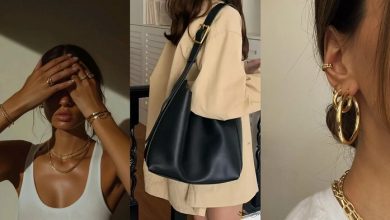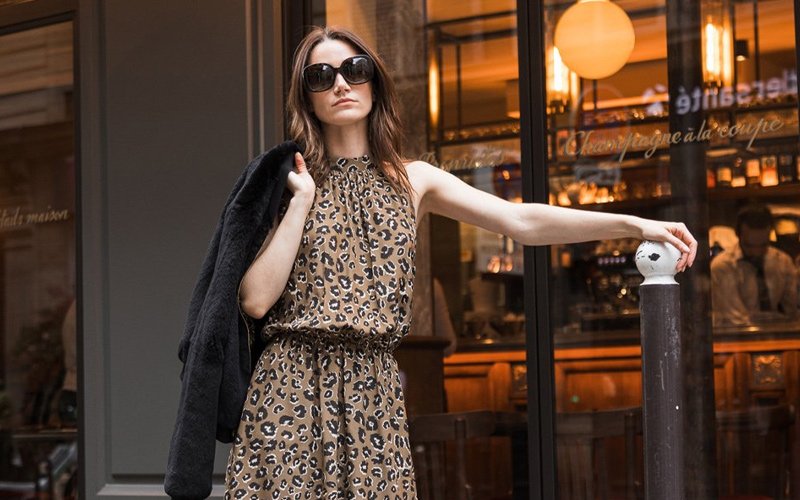
Clothing provides the foundation of an outfit, but accessories define its narrative. Anyone can purchase a tailored black blazer or a well-cut pair of straight-leg jeans; what transforms those utilitarian garments into a distinct personal statement is the curation that follows. A sculptural brass cuff, a vintage silk foulard tied at the collar, or a structured leather bag changes the entire energy of an ensemble. Accessories operate as the visual punctuation of personal style, turning conventional dress into a deliberate form of self-expression.
Understanding the influence of accessories requires moving beyond the idea that they are merely decorative additions. In reality, they are strategic tools that dictate mood, establish proportion, and signal discernment. When chosen with purpose, an accessory does not simply accompany clothing—it anchors it.
The Anchor Effect: Transforming Wardrobe Staples
Every functional wardrobe relies on dependable basics: crisp poplin shirts, neutral knitwear, tailored trousers, and simple slip dresses. While practical, these pieces can easily lean generic if left unstyled. Accessories introduce the nuance that prevents minimalist dressing from looking unfinished.
Consider a monochrome ensemble of an ivory crewneck and charcoal wool trousers. Worn alone, the combination is clean yet quiet. Introduce a wide, croc-embossed leather belt with brushed silver hardware, and the eye immediately registers a defined focal point. Swap that belt for layered gold chains and a pair of pointed-toe kitten heels, and the tone pivots from understated professional to effortless evening wear.
This versatility proves that memorable style does not depend on an overflowing closet of trend-driven garments. Instead, it relies on using high-impact accents to alter the context and perception of classic foundations.
Contrast and Proportions: The Architecture of an Outfit
Great style often lives in the tension between opposites. Wearing an entire outfit of identical textures or matching tones can flatten a look, leaving it visually stagnant. Strategic accessories disrupt that uniformity by introducing unexpected dialogue between materials and scale.
Playing with Scale and Volume
Scale dictates where the eye travels first. When wearing oversized, relaxed silhouettes, such as a slouchy trench coat or wide-leg denim, delicate accessories often get lost. A chunky, architectural collar necklace or a substantial cuff bracelet holds its own against heavier fabric weights.
Conversely, when garments are sharp and closely fitted, smaller accents shine. A slim, minimalist watch or delicate pavé earrings allow the tailored lines of a suit to take center stage without competing for attention. Mastering this balance ensures that accessories complement the silhouette rather than overwhelm it.
Mixing Textures and Finishes
Texture brings tactile depth to an outfit. A matte black wool sweater gains immediate dimension when paired with high-shine patent leather, a hammered gold signet ring, or a soft suede crossbody bag.
Mixing metals has also moved past antiquated styling rules into standard sartorial practice. Combining cool platinum or silver with rich yellow gold creates an organic, collected-over-time appearance that feels far more modern than rigid matching sets.
The Signature Piece as Visual Identity
Some of the most memorable figures in style history are recognized not by their daily changes in clothing, but by the consistency of their accessories. Jackie Onassis had her oversized round sunglasses, Iris Apfel her bold, magnified spectacles, and Fran Lebowitz her tortoiseshell frames and cowboy boots.
A signature accessory functions as visual shorthand. It communicates confidence and self-awareness, signaling that the wearer knows what suits them and refuses to abandon it for passing fads. Finding a personal signature does not require grand theatrics. It might be as subtle as an antique family signet ring worn daily on the pinky, a favorite felt fedora that caps off outdoor layers, or a preference for structured top-handle bags in rich emerald tones.
When an accessory becomes permanently associated with a person, it transcends fashion trends and enters the realm of authentic personal branding.
Footwear and Handbags: The Structural Foundations
While jewelry and scarves provide decorative accents, footwear and handbags serve as the structural framework of an outfit. They command the most visual real estate and communicate practical intent.
Shoes dictate posture, gait, and immediate formality. The exact same midi slip dress reads entirely differently when grounded by lug-sole combat boots versus strappy leather sandals. The boots lend a utilitarian, rebellious edge that counters the delicate silk, while the sandals lean into romantic minimalism.
Handbags offer a similar contextual anchor. A slouchy, oversized leather tote suggests pragmatic daytime movement, while an architectural acrylic clutch signals leisure and evening intention. Because these items carry physical weight, their shape, condition, and quality set the baseline quality for the entire outfit.
The Art of Strategic Restraint
A common pitfall in accessorizing is over-saturation. When every element—earrings, necklace, brooch, belt, bag, rings, and shoes—demands equal attention, the outfit loses focus. The human eye struggles to appreciate intricate details when faced with visual clutter.
The most effective stylists practice intentional restraint. The goal is to establish a clear hierarchy within the look. If an outfit features a pair of ornate, shoulder-grazing chandelier earrings, the neckline should remain clean and uncluttered. If a sculptural, high-shine waist belt is the centerpiece, footwear and wristwear should remain quiet.
Editing is what separates thoughtful style from haphazard accumulation. Choosing one or two standout elements allows each piece the breathing room it needs to make an impression.
Curating an Enduring Collection
Creating memorable fashion statements rarely happens by chasing every micro-trend surfaced on social media. Plastic hair accessories and novelty bags may capture attention for a season, but they seldom offer lasting value.
The most versatile accessory collections are built gradually, favoring quality materials, solid hardware, and timeless forms. Sourcing well-crafted leather goods, vintage jewelry with unique character, and fine silk scarves creates an archive that matures alongside your wardrobe. These are the items that survive seasonal closet cleanouts, continually offering new ways to reinterpret familiar clothing for years to come.
Personal style is ultimately an evolving conversation, and clothing provides the vocabulary. Accessories, however, provide the tone, the inflection, and the emphasis. By treating these details with the intention they deserve, getting dressed ceases to be a routine chore and becomes a deliberate, memorable craft.